What the Bible Says About Rest
Explore how Scripture connects rest with creation, Sabbath, trust, healthy limits, and the deeper rest Jesus offers.
FaithTrainer Editorial TeamAugust 19, 20268 min read
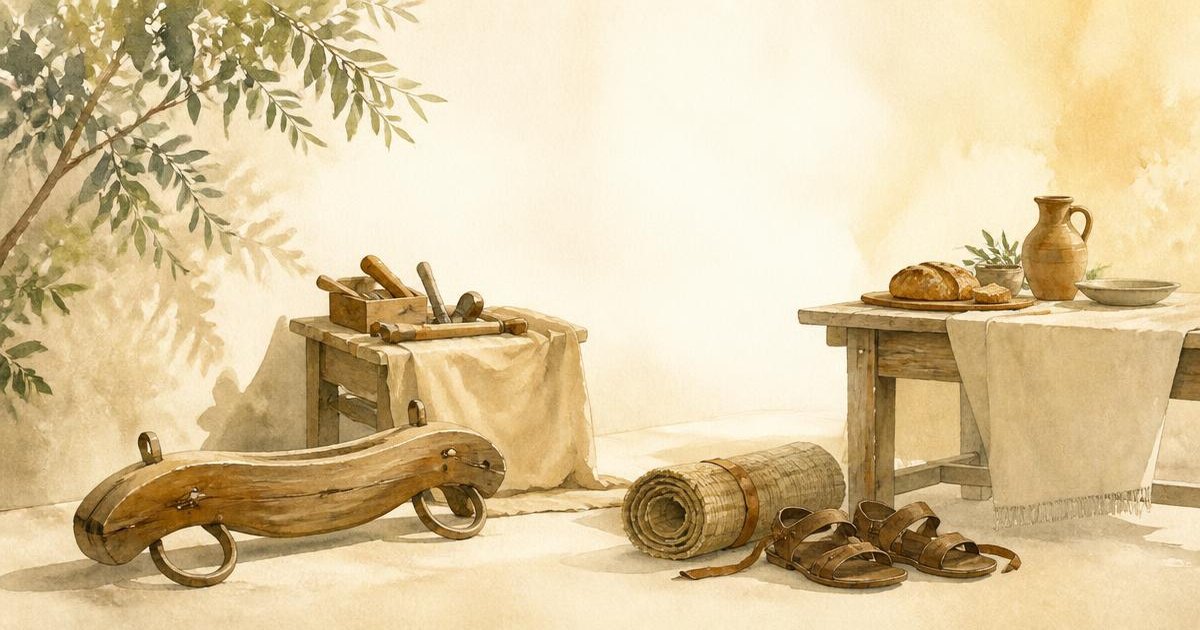
Many people treat rest as a reward they must earn after everything is finished. The problem is that everything is rarely finished. There is always another task, responsibility, message, or concern waiting for attention. Even when the body stops moving, the mind may continue working.
The Bible presents rest differently. Rest is not merely an escape from responsibility, nor is it evidence that someone lacks discipline. Scripture connects rest with creation, freedom, trust, worship, human limitations, and the peace found in God. Biblical rest does not require pretending that life is easy. It means recognizing that we were never created to carry every burden without stopping.
Rest Begins with God’s Creation
The first biblical picture of rest appears in Genesis 2:2–3. After completing creation, God rested on the seventh day and blessed it. This does not mean God became physically exhausted. Isaiah 40:28 teaches that the Creator does not grow tired or weary. God’s rest was a deliberate ceasing from completed work.
That pattern matters. Scripture begins with a rhythm of meaningful work followed by intentional rest. Human beings were not designed for endless production. Rest creates space to recognize what has been completed, enjoy what God has provided, and remember that the world continues under His care even when we stop working.
Rest, then, is not simply inactivity. It can be an act of humility. It acknowledges that we are creatures with limits and that God remains God while we sleep, pause, and step away.
What the Sabbath Taught Israel
The Sabbath became a specific command for Israel. In Exodus 20:8–11, the command is connected to God’s pattern in creation. Israel was instructed to work for six days and set apart the seventh day. The command included children, servants, foreigners, and even working animals. Rest was not intended only for people with wealth or influence.
Deuteronomy 5:12–15 gives another reason for Sabbath rest: Israel had once been enslaved in Egypt. Enslaved people did not control their schedules or possess the freedom to stop working. Sabbath reminded Israel that God had delivered them from a system in which their worth was measured by what they produced for someone else.
The weekly pause therefore communicated both dependence and dignity. God’s people were more than their labor. They could stop because their lives and provision ultimately rested in Him.
How Jesus Spoke About Sabbath Rest
By the time of Jesus, some religious leaders had surrounded the Sabbath with detailed rules that could obscure its purpose. When they criticized His disciples for picking grain, Jesus responded that the Sabbath was made for humanity, not humanity for the Sabbath (Mark 2:23–28).
Jesus did not describe rest as a burden designed to make already-weary people feel guilty. He restored its God-given purpose. He also healed on the Sabbath and taught that doing good was lawful on that day (Matthew 12:9–13). Biblical rest was never meant to become an excuse for withholding compassion.
Jesus also recognized ordinary physical exhaustion. After the apostles returned from demanding ministry, He invited them to withdraw to a quiet place and rest because so many people were coming and going that they had not even had time to eat (Mark 6:30–32).
Rest Is an Expression of Trust
Rest can be difficult because stopping requires trust. It may expose the fear that everything will fall apart if we are not constantly working, monitoring, fixing, or preparing.
Israel faced this lesson when God provided manna in the wilderness. They gathered it for six days, received enough on the sixth day for the Sabbath, and were told not to gather on the seventh (Exodus 16:22–30). Rest required them to trust that God’s provision would remain sufficient when they obeyed His instruction to stop.
Psalm 127:1–2 similarly warns against anxious striving. The passage does not condemn work; it challenges the belief that relentless effort alone can secure our lives. We can work faithfully while recognizing that outcomes are not completely under our control.
Biblical Rest Is Not Laziness
Scripture praises diligence and warns against refusing responsibilities. Proverbs repeatedly addresses laziness, and 2 Thessalonians 3:10 speaks about those who are unwilling—not merely unable—to work. Biblical rest should therefore not be confused with neglecting commitments or expecting others to carry responsibilities we could reasonably fulfill.
At the same time, diligence does not require constant availability or exhaustion. Ecclesiastes 4:6 contrasts a quiet handful with two handfuls gained through restless striving. The Bible makes room for both faithful labor and peaceful limits.
Rest supports responsible work by preventing exhaustion from becoming a permanent way of life. It helps us return to our responsibilities with greater clarity, patience, and attentiveness.
God Cares About Physical Weariness
Sometimes people try to spiritualize every form of exhaustion. They may assume they need more motivation when they actually need sleep, nourishment, medical care, practical help, or a lighter burden.
First Kings 19 offers a compassionate example. After Elijah fled in fear and collapsed beneath a tree, God did not begin by demanding greater productivity. Elijah slept, and an angel provided food and water. His physical needs did not explain every part of his distress, but God did not ignore those needs.
This passage should not be used to suggest that rest alone resolves depression, anxiety, illness, or prolonged stress. It does show that caring for the body is not separate from spiritual life. Human beings are embodied, and physical limitations deserve honest attention rather than shame.
The Deeper Rest Jesus Offers
The Bible’s teaching about rest reaches beyond schedules. In Matthew 11:28–30, Jesus invites the weary and burdened to come to Him for rest. His invitation addresses people carrying heavy spiritual and emotional burdens, including the weight of religious striving.
This rest does not mean believers will never experience work, grief, persecution, or responsibility. It means they no longer have to earn God’s welcome through flawless performance. They learn from Christ and live under His gracious leadership.
Hebrews 4 develops this theme further by connecting God’s rest at creation, Israel’s failure to trust Him in the wilderness, and the rest still available through faith. The passage points believers toward both present confidence in God and the future completion of His promises. Spiritual rest is rooted in trusting what God has done rather than trying to save ourselves.
Christians May Practice Sabbath Differently
Faithful Christians do not all interpret Sabbath observance in precisely the same way. Some observe the seventh day, some dedicate Sunday to worship and rest, and others emphasize the freedom described in passages such as Romans 14:5–6 and Colossians 2:16–17.
These differences should encourage careful Bible study rather than contempt. Christians can disagree about how the Sabbath command applies under the new covenant while still recognizing the wisdom of worship, healthy limits, mercy, and regular rest.
The goal is not to create another standard by which exhausted people judge themselves or one another. It is to receive God’s teaching as an invitation to live with greater trust and freedom.
Practical Ways to Build a Rhythm of Rest
Rest will look different depending on a person’s health, employment, caregiving duties, finances, and season of life. Someone working overnight shifts may not be able to follow the same schedule as someone with traditional working hours. A parent caring for a young child may need to receive rest in smaller portions.
A few practices can help:
- Choose a realistic time to stop. Set aside a recurring period when ordinary work, errands, or unnecessary digital activity can wait.
- Decide what is genuinely restorative. Endless scrolling may distract the mind without refreshing it. Quiet, sleep, worship, time outdoors, reading, creative activity, or unhurried connection may provide deeper renewal.
- Release the guilt attached to stopping. Rest does not have to be earned by reaching complete exhaustion. Receive it as part of living within the limits God gave you.
- Prepare when possible. Completing essential tasks beforehand can make rest less stressful, much like Israel prepared for Sabbath before the seventh day.
- Make room for God. Rest can include prayer, Scripture, gratitude, and honest reflection. Resources in the Bible Learning Center can help you study relevant passages without turning the time into another performance test.
- Accept imperfect rest. A disrupted day does not mean the practice has failed. Begin again without allowing an ideal schedule to become another burden.
Healthy rest may require saying no, asking for help, or admitting that a pace is unsustainable. Those decisions are not always easy, but acknowledging a limit can be an act of wisdom rather than weakness.
Reflection Questions
- Do you usually view rest as a gift, a necessity, or something that must be earned?
- What fear or responsibility makes it hardest for you to stop?
- Which activities genuinely restore you, and which merely distract you?
- How could a regular rhythm of rest strengthen your trust in God?
- What is one realistic boundary you could establish this week?
Key Takeaway
The Bible presents rest as more than taking a break. It is a God-given rhythm that honors human limits, resists anxious striving, and expresses trust. Whether rest comes through a weekly Sabbath practice, a quieter daily rhythm, or receiving Christ’s grace instead of relying on personal performance, it reminds us that our worth does not depend on endless productivity.
Found this helpful? Make a branded FaithTrainer image to share it.
Sources & further study
- Sabbath — Bible Odyssey, Society of Biblical Literature
Background on Sabbath observance in the Hebrew Bible and Second Temple period.
- rest
- sabbath
- biblical rest
- trust
- Christian living