How to Recognize Spiritual Growth in Everyday Life
Practical, biblical markers for recognizing genuine spiritual growth in the ordinary rhythms of daily life.
FaithTrainer Editorial TeamJuly 24, 20266 min read
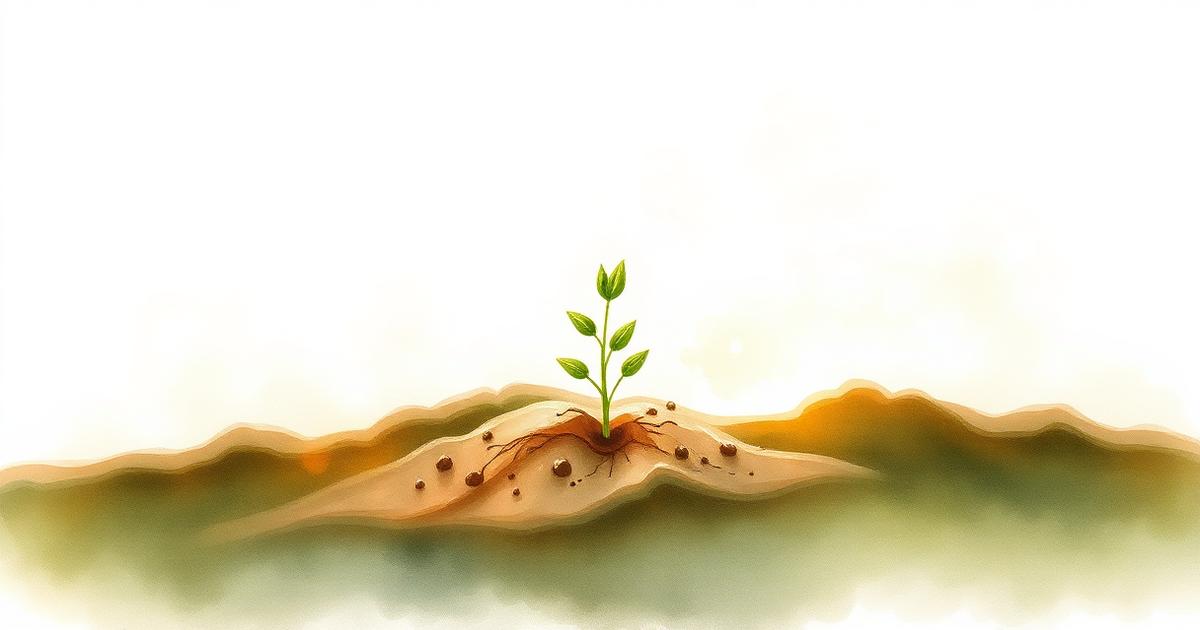
Spiritual growth rarely feels dramatic while it is happening. There is no single moment where a switch flips and a person suddenly becomes more patient, more loving, or more faithful. Instead, growth tends to happen gradually, in the accumulation of small responses — how you react to an irritating comment, whether you choose honesty over convenience, how quickly you return to prayer after a distracted week. Because this growth is gradual, it can be hard to notice, and many sincere believers wonder whether they are actually changing at all.
The Bible offers concrete, observable markers of spiritual growth rather than leaving it to vague feeling. This article looks at what Scripture says growth actually looks like, why it is often hard to notice in the moment, and practical ways to recognize genuine change in ordinary daily life.
Why Spiritual Growth Is Hard to Notice
Growth in any area of life is often invisible day to day and only clear in hindsight. A tree does not appear to grow when watched for an afternoon, but it is unmistakably taller after several years. Spiritual growth follows a similar pattern. Jesus used agricultural imagery for exactly this reason:
"The Kingdom of God is as if a man should cast seed on the earth, and should sleep and rise night and day, and the seed should spring up and grow, though he doesn't know how." — Mark 4:26-27 (WEB)
This parable suggests — and many readers understand it this way — that spiritual growth often happens beneath the surface, in ways not fully visible or explainable even to the person experiencing it. This should offer some relief: not sensing dramatic growth in the moment does not mean growth isn't happening.
Biblical Markers of Spiritual Growth
The Fruit of the Spirit
Paul offers one of Scripture's clearest lists of what spiritual growth actually produces:
"But the fruit of the Spirit is love, joy, peace, patience, kindness, goodness, faith, gentleness, and self-control." — Galatians 5:22-23 (WEB)
These qualities are called "fruit," not "achievements" — a deliberate metaphor. Fruit grows naturally out of a healthy plant; it isn't manufactured through sheer effort. This suggests that spiritual growth is less about willpower alone and more about staying rooted in Christ, from which these qualities gradually emerge (see John 15:4-5).
Increasing Love for God and Others
Jesus summarized the entire law as love for God and love for neighbor (Matthew 22:37-39). One practical marker of growth is whether love — patience with a difficult family member, generosity toward a stranger, forgiveness toward someone who wronged you — is increasing over time, even gradually and imperfectly.
A Growing Sensitivity to Sin
Paradoxically, growing spiritually often means becoming more aware of your own shortcomings, not less. As a person matures, the conscience tends to become more sensitive rather than less, noticing subtler forms of pride, unkindness, or self-centeredness that might once have gone unnoticed. This is not the same as increased guilt or self-condemnation; it is a sign of growing honesty and humility (1 John 1:8-9).
Increasing Desire for Scripture and Prayer
Peter compares growth to an infant's hunger:
"As newborn babies, long for the pure milk of the Word, that with it you may grow." — 1 Peter 2:2 (WEB)
A growing appetite — not perfect consistency, but a real and renewing desire — for Scripture and prayer over time is a meaningful indicator of spiritual health, even if that desire ebbs and flows.
Responding Differently to Old Triggers
One of the more concrete, observable markers of growth is noticing that a situation which once provoked immediate anger, anxiety, or despair now produces a calmer, more measured response. This kind of change is often easier for others to notice than for the person experiencing it.
Historical and Biblical Context
The New Testament consistently frames the Christian life as a process of ongoing transformation rather than instant perfection. Paul describes believers as being "transformed into the same image from glory to glory" (2 Corinthians 3:18, WEB) — a phrase suggesting incremental, ongoing change rather than a single completed event. This process is traditionally referred to as sanctification, distinct from the initial moment of coming to faith. Historic Christian teaching has generally held that this process continues throughout a believer's life and is never fully complete this side of eternity.
Interpretation: Avoiding Two Extremes
There are two unhelpful extremes worth naming. The first is expecting dramatic, constant, visible transformation and becoming discouraged when life feels ordinary and unchanged. The second is dismissing the idea of measurable growth altogether, assuming spiritual life is purely a private, unknowable feeling with no observable fruit. Scripture charts a middle course: growth is often gradual and hard to notice moment to moment, yet it produces real, observable fruit over time (Matthew 7:16-20).
Practical Ways to Recognize Growth
Look Back, Not Just Forward
Comparing your current responses to how you would have responded a year or several years ago is often more revealing than trying to assess growth in the present moment alone. Journaling through something like the Daily Spiritual Journey can create a helpful record to look back on.
Ask Trusted People
Because growth is often more visible to others than to ourselves, asking a spouse, close friend, or mentor whether they've noticed change in you — patience, honesty, generosity — can offer a more accurate picture than self-assessment alone.
Notice Response Patterns, Not Just Feelings
Rather than asking "do I feel spiritual today," it can be more accurate to ask concrete questions: How did I respond the last time I was interrupted, criticized, or inconvenienced? Growth often shows up first in behavior before it is fully felt emotionally.
Track Engagement With Scripture and Prayer Over Time
Rather than judging a single day, look at patterns over months. Tools like the Bible Learning Center or Scripture Discovery Wheel can help build consistent engagement that, over time, becomes easier to track and reflect on.
Practical Application for Today
Consider picking one fruit of the Spirit — patience, kindness, self-control — and honestly reflecting on how your response in that area has changed over the past year, even slightly. Growth is often easiest to see not in a single day, but across a longer stretch of ordinary days lived faithfully.
Spiritual growth is usually gradual and easy to miss day to day, but Scripture gives real, observable markers — growing fruit of the Spirit, increasing love, greater sensitivity to sin, and changed responses over time — that help believers recognize genuine change in ordinary life.
Reflection Questions
- What is one area of your character that has genuinely changed, even slightly, over the past year?
- How does the parable of the growing seed in Mark 4:26-27 change how you think about invisible spiritual growth?
- Which fruit of the Spirit (Galatians 5:22-23) do you sense growing most, and which feels most absent?
- Who could you ask to honestly reflect back to you where they've seen change in your life?
- What is one recurring situation where you'd like to notice a different response over the coming months?
Related Passages
- Galatians 5:16-25 — The fruit of the Spirit contrasted with the works of the flesh.
- Mark 4:26-29 — The parable of the seed growing secretly.
- 2 Corinthians 3:18 — Being transformed from glory to glory.
- 1 Peter 2:2-3 — Longing for spiritual milk in order to grow.
- John 15:1-8 — Abiding in the vine as the source of fruitfulness.
- Philippians 1:6 — Confidence that God completes the work he begins.
- James 1:2-4 — Trials producing endurance and maturity.
Found this helpful? Make a branded FaithTrainer image to share it.
- spiritual growth
- sanctification
- discipleship
- fruit of the spirit
Related articles


What It Means to Walk by Faith
6 min read